Understanding Sciatica: Insights from a Chiropractor Near Me
Sciatica can be a source of discomfort and confusion for many. It affects the sciatic nerve, which is the longest nerve in your body, running from your lower back down to your legs. Understanding sciatica and how it can be treated is essential for those suffering from this condition. In this blog, we will explore key insights from my experiences as a chiropractor and provide information that can help you manage your symptoms effectively.
What is Sciatica and Who Does It Affect?
Sciatica is defined as pain that radiates along the path of the sciatic nerve, which branches from your lower back through your hips and buttocks and down each leg. This nerve is responsible for transmitting sensations and controlling muscles in these areas. Understanding sciatica starts with recognizing that it can affect anyone, but certain factors increase the likelihood of developing this condition.
Age is one of the most significant factors; as we get older, the risks associated with degenerative disc disease and other spinal issues rise. Additionally, lifestyle choices such as prolonged sitting, lack of exercise, or carrying excess weight can contribute to the development of sciatica. Interestingly, even your profession matters—jobs that require heavy lifting or extended periods of sitting can significantly increase the risk. Knowing these risk factors can empower individuals to take proactive measures in their daily lives.
While sciatica most commonly affects adults between the ages of 30 and 50, it is essential to note that younger individuals can also develop symptoms due to injuries or congenital disabilities. Additionally, pregnant women may experience sciatica due to the added weight and pressure on the lower spine, which is a consideration worth mentioning for expectant mothers.
Common Causes of Sciatica
Several conditions can lead to sciatic nerve pain, including herniated discs, spinal stenosis, and muscle imbalances. When we look at a herniated disc, it occurs when the soft material inside a spinal disc pushes out, pressing against nerve roots and resulting in pain. This condition can arise from wear and tear, but also from sudden trauma or strain. Understanding its causes is vital as they directly influence treatment options.
Another common cause of sciatica is spinal stenosis, which involves the narrowing of the spinal cord’s spaces, leading to pressure on the spinal nerves. This condition becomes more frequent with age, as the spine naturally begins to develop bony growths and other changes. If you're dealing with persistent discomfort, it’s crucial to consider the role of your spine and its overall health.
Muscle imbalances can also play a significant role in sciatica. Weakness in certain muscle groups, particularly those in your core and back, can create tension that affects the sciatic nerve. Poor posture can aggravate these imbalances, making it essential to maintain proper alignment. Adopting a balanced exercise routine that strengthens key muscle groups can help prevent the onset of sciatica.
Lastly, factors such as a sedentary lifestyle and obesity can exacerbate these conditions, as they place more strain on the spine and surrounding structures. Recognizing the multifaceted nature of sciatica can help guide you in making necessary lifestyle changes.
Symptoms of Sciatica: Recognize the Signs
Not everyone experiences sciatica in the same way. Symptoms can vary widely in terms of intensity and duration. Typically, one may feel a sharp pain, a burning sensation, or even numbness that radiates from the lower back down to the leg. It's important to pay attention to these warning signs, as recognizing them early on can lead to better outcomes and more effective treatment.
For some, the discomfort might feel like a dull ache that comes and goes, while for others, it may involve excruciating pain that hinders daily activities. This pain might also be accompanied by tingling or weakness in the leg or foot, making it difficult to walk or stand for extended periods. Like many medical conditions, experiencing these symptoms can create a sense of anxiety, making it all the more valuable to discuss these sensations with a healthcare provider.
Additionally, symptoms may worsen with certain movements, such as sitting, sneezing, or coughing. Identifying what aggravates your sciatica is essential; it can help you avoid triggers and manage your symptoms more effectively. If you notice a pattern in when your pain occurs, documenting this can provide helpful insights into your condition.
How a Chiropractor Can Help with Sciatica
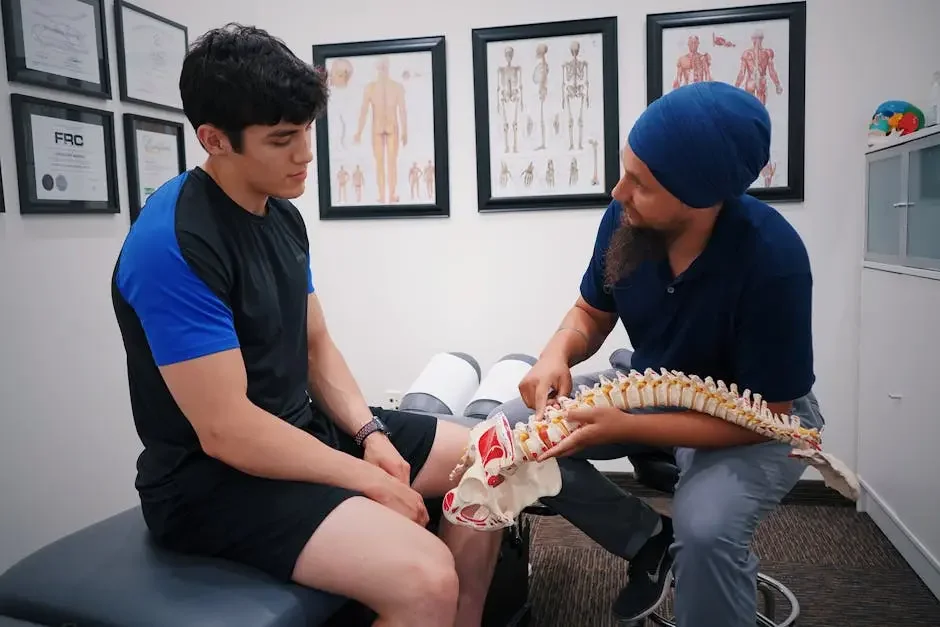
Chiropractic treatment can be an effective option for managing sciatica. Chiropractors utilize a range of techniques aimed at restoring proper alignment and function to the spine. Spinal adjustments, for instance, can relieve pressure on the sciatic nerve and improve overall mobility. These adjustments typically involve controlled force applied to specific joints, effectively reducing inflammation and promoting healing.
In addition to spinal adjustments, chiropractors may incorporate rehabilitative exercises into your treatment plan. These exercises are specially designed to strengthen the muscles supporting your spine and improve flexibility, allowing for better movement patterns. This holistic approach targets not only the symptoms but also the underlying causes of sciatica.
Moreover, patient education plays a vital role in chiropractic care. Your chiropractor will discuss lifestyle changes and home exercises that can provide ongoing support in managing your symptoms. They may also provide insights into proper posture and ergonomics to help minimize strain on your back and enhance your daily comfort.
Lifestyle Changes to Alleviate Sciatica Pain
In addition to professional treatment, there are several lifestyle changes that can help you manage your pain. This section will offer practical tips on posture, exercises, and ergonomic adjustments that can make a significant difference in your overall well-being. For starters, maintaining proper posture while sitting is key; using a supportive chair designed to maintain the curve of your spine can prevent excessive strain.
Physical activity is equally crucial. Engaging in low-impact exercises such as walking, swimming, or yoga can improve flexibility and strengthen your core, which supports your spine. Stretching regularly can also be beneficial, as it helps to ease tension in tight muscles and improves blood flow to the affected area. Implementing a daily routine that includes these movements can lead to more significant improvements over time.
If you find yourself sitting for long periods, consider integrating short breaks into your work schedule. Stand up, stretch, or take a brief walk to reduce stiffness and maintain circulation. Additionally, being mindful of how you lift heavy objects—bending at the knees and keeping the load close to your body—can prevent strain on your back and help minimize the risk of exacerbating your condition.
When to See a Chiropractor for Sciatica
Knowing when to seek professional help is crucial when dealing with sciatica. If you're experiencing persistent pain that interferes with your daily activities, it might be time to consult a chiropractor. Early intervention can often lead to more effective treatment and quicker recovery. Listen to your body; if pain persists or changes in intensity and location occur, do not hesitate to reach out for assistance.
When you schedule your first visit with a chiropractor, expect a comprehensive assessment. The chiropractor will take your medical history and perform a physical exam to determine the root cause of your symptoms. This may include assessing your posture, flexibility, and strength in various muscle groups. Only once they have a complete picture will they develop a tailored treatment plan for you.
Remember, seeking help sooner rather than later can prevent your condition from worsening. Knowing the signs that warrant a trip to a healthcare professional can empower you in your journey toward health. Don't hesitate to act—your well-being is worth it.
Wrapping Up on Sciatica and Chiropractic Care
In conclusion, understanding sciatica is crucial for anyone experiencing its symptoms. Chiropractic care can offer significant relief and improve your quality of life by addressing the underlying issues contributing to sciatica. If you're searching for a 'sciatica chiropractor near me,' I encourage you to seek a professional who is dedicated to helping you find your path to recovery.