Exploring the Benefits of Manual Therapy for Back Pain Relief
Back pain is a common issue that affects many of us at some point in our lives. It can vary from a dull ache to sharp pain, and finding effective treatment options is essential. One approach that has gained popularity is manual therapy. In this blog, we will explore the various benefits of manual therapy for relieving back pain, how it works, and what you can expect during a session.
Understanding Manual Therapy
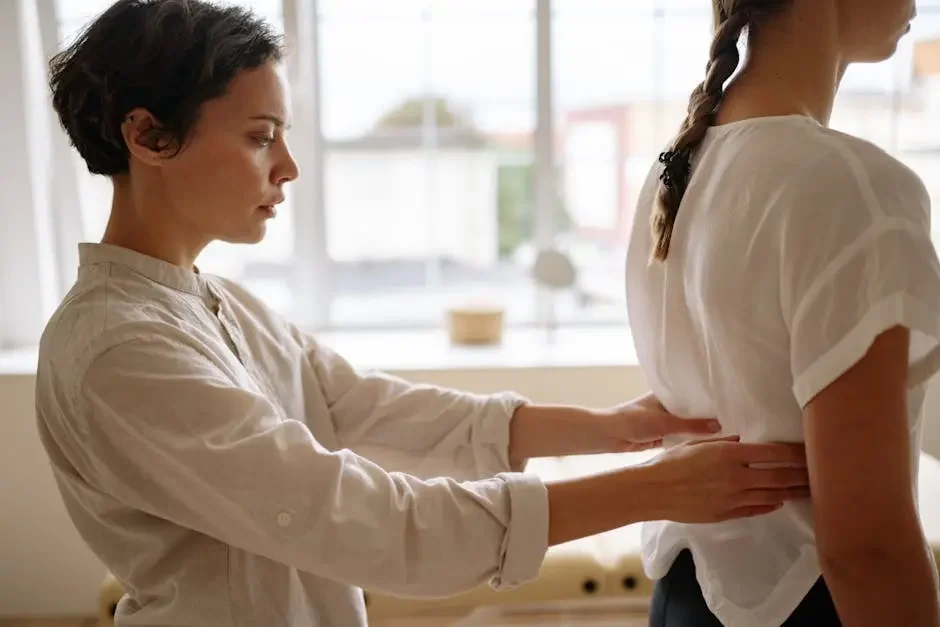
Manual therapy encompasses various techniques aimed at alleviating pain and improving functionality through physical manipulation of the body. This section will delve into what manual therapy involves and the different techniques used by practitioners.
At its core, manual therapy is about hands-on treatment. Techniques may include joint mobilization, soft tissue manipulation, and myofascial release. These methods target the body's muscles, joints, and connective tissues to promote healing. A skilled practitioner carefully assesses your condition to tailor the treatment to your needs. Through gentle yet effective hands-on techniques, the aim is to relieve pain and restore movement.
Many people find comfort in the personal connection that comes with manual therapy. Unlike other forms of treatment, where machines may replace human touch, manual therapy emphasizes a relationship between patient and practitioner. This bond allows for a greater understanding of the pain being experienced, which can lead to a more effective treatment plan.
Common Causes of Back Pain
Identifying the root causes of back pain is crucial for effective treatment. In this section, we will discuss common causes, including muscle strain, herniated discs, and poor posture, to help you understand your back pain better.
One of the most prevalent causes of back pain is muscle strain, often resulting from heavy lifting or sudden awkward movements. This can lead to inflammation and discomfort, making even simple tasks feel daunting. Moreover, long hours spent sitting in front of a desk can contribute significantly to back pain due to the strain placed on the body, especially without proper ergonomic support.
Herniated discs can also be a significant player in back pain. When the soft tissue between your vertebrae bulges or slips out, it can press on nearby nerves, resulting in pain that may radiate down your legs. Understanding these causes provides essential insight into treatment options and the role manual therapy can play in relief.
Lastly, poor posture often exacerbates back pain, leading to a cycle of discomfort that can be hard to break. With routine use of mobile devices and poor work ergonomics, we may worsen our alignment over time. Bringing awareness to our posture can be a game-changer in combating back pain.
How Manual Therapy Helps with Back Pain
Manual therapy can directly and indirectly alleviate back pain. In this segment, we will explore its mechanisms, such as reducing muscle tension, improving circulation, and enhancing mobility.
One of the primary benefits of manual therapy is its ability to reduce muscle tension. By manipulating the muscles and soft tissues, practitioners can help release knots and relieve tightness that may contribute to discomfort. This release can lead to an immediate reduction in pain and discomfort, allowing you to move more freely and comfortably.
Additionally, improved circulation is a crucial mechanism at play here. When blood flow increases to affected areas, it promotes healing by delivering essential nutrients and oxygen. This is particularly beneficial for injuries or chronic tension, as it supports the body's natural healing processes, helping to mitigate back pain over time.
Mobility enhancement is another fundamental aspect of manual therapy. As back pain often restricts movement, regaining lost flexibility and mobility is vital. Through specific techniques, practitioners can guide your body back to better motion patterns, improving your overall functionality and reducing pain in the long run.
What to Expect During a Manual Therapy Session
If you’re considering manual therapy, knowing what happens during a session can ease your apprehension. This section will walk you through a typical appointment, including the assessment process and treatment techniques used.
In a typical session, you'll first undergo a thorough assessment where the therapist will ask about your medical history, symptoms, and lifestyle. This dialogue helps in crafting a session tailored specifically for you. After this, the actual treatment begins, which may involve various techniques, such as stretching, mobilization, and soft tissue manipulation. You may find it surprisingly relaxing, as the focus is on easing tension and discomfort.
Many patients express relief following even a single session, but experiencing the full benefits of manual therapy often takes a series of appointments. The frequency and duration will depend on your specific condition and treatment goals. Additionally, you’ll be encouraged to engage in some corrective exercises or stretches at home to further enhance your recovery.
Combining Manual Therapy with Other Treatments
Manual therapy is often most effective when combined with other treatments such as physical therapy and exercise. Here, we’ll discuss how integrating different approaches can enhance your recovery and pain management strategy.
While manual therapy addresses immediate pain and mobility issues, incorporating exercises tailored to your specific condition can build muscle strength and stability. Many practitioners collaborate with physical therapists to devise a comprehensive plan that includes both hands-on treatment and guided workouts.
Moreover, lifestyle changes, including modifications to daily activities and ergonomics, can complement your manual therapy sessions effectively. Learning about correct posture, proper lifting techniques, and routines to prevent strain will not only enrich your journey toward recovery but can also ward off future issues.
Patient Testimonials and Success Stories
Hearing from those who have experienced manual therapy first-hand can be inspiring. In this section, we’ll share some testimonials and success stories from individuals who have found relief from back pain through this therapy.
Many patients have shared how manual therapy transformed their lives. For instance, one individual recounted struggling with chronic back pain for years, which severely hindered her daily activities. After starting manual therapy, she noticed a significant reduction in discomfort and regained the ability to perform simple, once-lost tasks, like gardening and playing with her kids.
Another account came from a young athlete who suffered a significant injury during training. Initially skeptical about manual therapy, he decided to give it a try based on a friend's recommendation. To his surprise, not only did it alleviate his pain, but it also sped up his recovery process. Inspired by the quick results, he now advocates for the benefits of manual therapy among his teammates.
Finding Relief Through Manual Therapy
Manual therapy can be an effective treatment option for those struggling with back pain. By focusing on manipulating the body’s soft tissues, it aims to relieve pain, improve mobility, and promote overall well-being. If you are looking for a hands-on approach to managing your back pain, consider consulting a professional who specializes in manual therapy. Remember, it’s important to combine these treatments with a comprehensive plan that includes exercise and proper posture for lasting relief.